Mahjong Through Hard Times
Why the simple act of gathering around a table can matter more than the game itself.

Why the simple act of gathering around a table can matter more than the game itself.
There are days when life feels heavier than usual.
Work piles up. Plans fall apart. The news brings more questions than answers. Sometimes, even when we are surrounded by people, it can be difficult to find a moment when we truly feel connected.
And then someone asks a simple question:
“Do you want to play mahjong?”
Four people gather around a table. The tiles come out of their cases. Someone starts shuffling. Someone else tells a story from the week. Before long, the room fills with familiar sounds: tiles clicking together, laughter, friendly arguments over the rules, and the occasional groan when a winning hand slips away.
Nothing about the world outside has necessarily changed.
But for a little while, people have something to share.
That is one of the things I love about mahjong.
More Than a Game
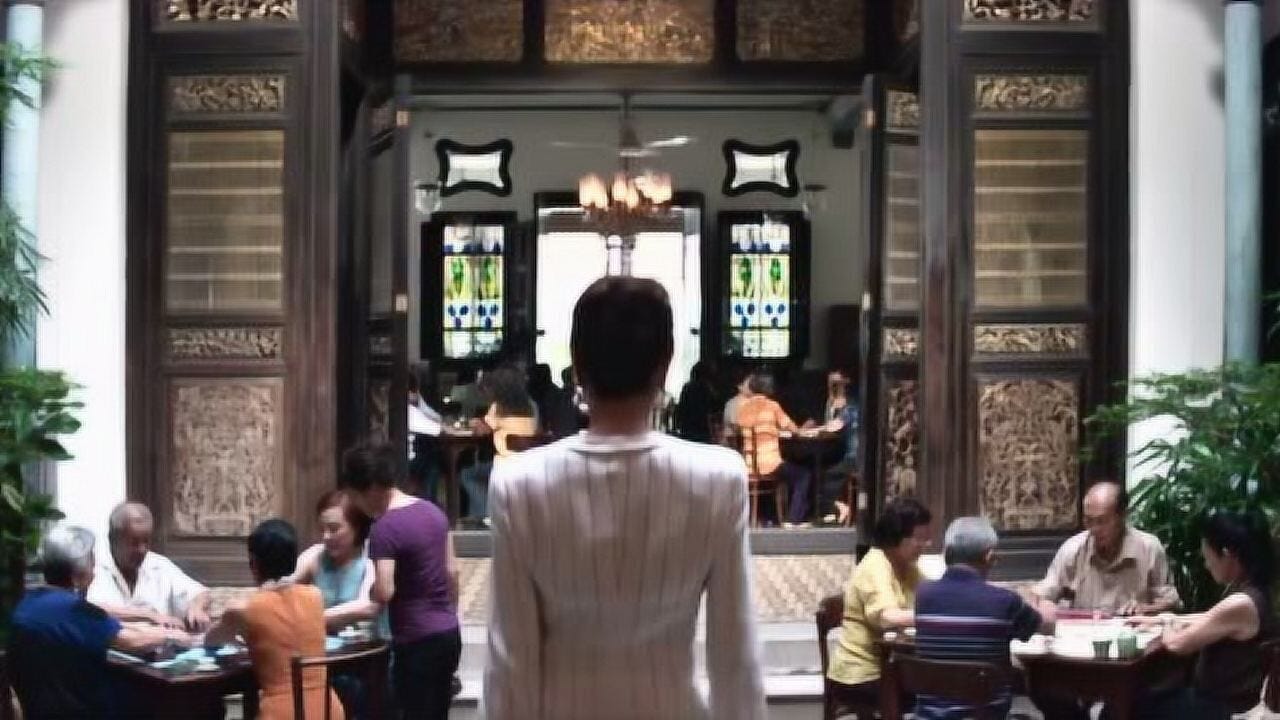
A game has rules, turns, and a winner. But the experience of playing mahjong is rarely limited to those things.
It is also the friend who remembers how you take your tea. The person who teaches a beginner without making them feel embarrassed. The familiar faces who show up week after week, even when everyone has a busy schedule.
Sometimes, the most memorable part of an afternoon is not the hand you won. It is the conversation you had while waiting for your next turn.
Mahjong gives people a reason to come together without needing to plan an elaborate event or find the perfect words to start a conversation.
There is already something to do. The tiles provide a shared focus. The rules create a rhythm. Conversation can come naturally, with pauses that never need to be filled.
You can talk about something important, or you can talk about absolutely nothing.
Both are welcome at the table.
A Reason to Gather, in Different Places
One thing that has caught my attention as I learn more about American mahjong culture is the variety of places where people are making room for the game.
I recently came across a job posting from Lakeshore Sport & Fitness in Chicago seeking a part-time mahjong instructor. The role involved teaching beginners, guiding organized play, and creating a welcoming social environment. The club described mahjong as an opportunity for members to connect through a different kind of activity.
I found that interesting.
A sports club is already a place where people gather around movement, training, and shared goals. Mahjong offers another way to spend time together: sitting down, thinking through a hand, exchanging stories, and enjoying a little friendly competition.
I have also come across posts about mahjong activities in senior living communities. These individual examples made me think about how a familiar tabletop game can fit into different stages of life.
The details of each community are different. We should not assume that one example represents everyone. But together, these observations point toward a possibility worth exploring: mahjong can create a shared activity for people who might otherwise have few obvious reasons to meet.
Some players arrive with decades of experience. Others are learning how the tiles work for the first time. Some come with old friends; others meet new people at the table.
The game does not require everyone to have the same background, profession, or life story.
It gives them a place to begin.
The Small Joys That Help Us Keep Going
When we talk about getting through difficult times, we often focus on the big things: solving a problem, reaching a goal, making a major change, or finding a clear answer.
But daily life is also held together by smaller moments.
A meal shared with someone who knows you well. A regular walk with a friend. A familiar gathering that gives you something to look forward to.
For some people, a mahjong afternoon can become one of those moments.
It does not solve every problem. It does not make hardship disappear. And it is not a treatment for a health condition.
Its value can be much simpler.
You make time for other people. You pay attention to the tiles in front of you. You laugh when someone makes an unexpected move. You celebrate a win, accept a loss, and start another hand.
For that stretch of time, you are participating in something with other people rather than facing the day entirely on your own.
I think there is something meaningful in that ordinary experience.
We do not need to turn every enjoyable activity into a grand promise about what it can accomplish. Sometimes, an activity is worthwhile because people enjoy it, return to it, and build relationships around it.
That is enough.
Why Community Matters to Flamingo Mahjong
When I chose the flamingo as the symbol for this brand, I was drawn to more than its distinctive color and elegant shape.
Flamingos gather in flocks.
That image became a way for me to think about what happens around a mahjong table. People arrive from different parts of their lives and find a shared place to spend time together.
Our slogan, Find Your Flock, grew from that idea.
I do not want Flamingo Mahjong to be only about selling a set of tiles. The product matters, of course. It should be well designed, enjoyable to use, and made with care. But the moments the product helps make possible matter to me, too.
A set might be brought out for a family gathering. It might become the centerpiece of a weekly game night. It might help an instructor welcome new players, or give a group of friends a reason to meet regularly.
We cannot decide what every table will mean to the people sitting around it.
But we can create products that invite people to gather—and make those moments feel special.
That is one of the ideas I want to keep at the heart of Flamingo Mahjong: thoughtful design in service of a game people share.
There Is Always Room at the Table
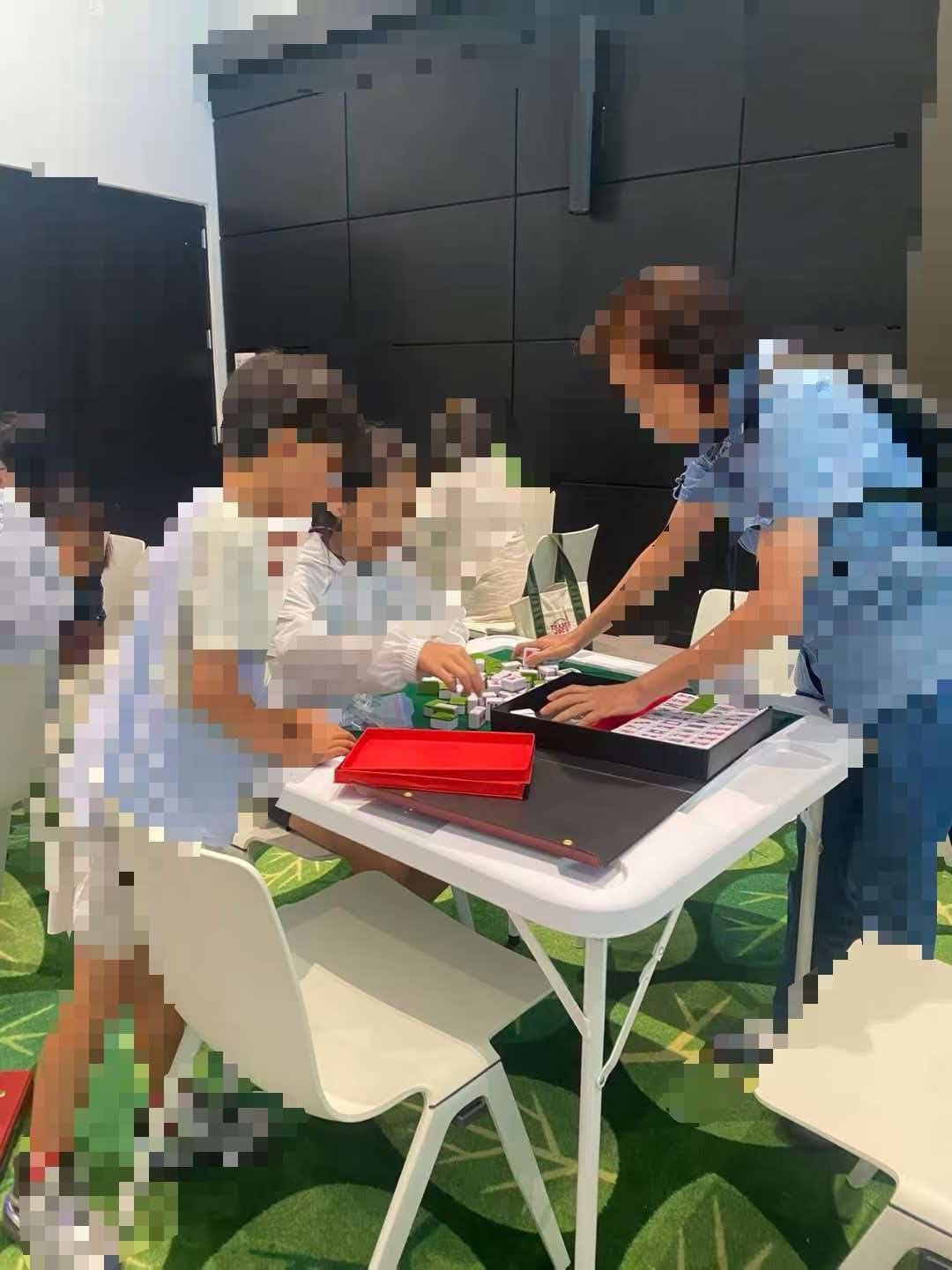
I sometimes think about how many different stories can exist around the same game.
A grandparent teaches a younger family member. A beginner nervously plays their first hand. Friends catch up after a difficult week. A group of neighbors slowly becomes a community.
The tiles may be the same. The people, conversations, and reasons for gathering are never quite identical.
Perhaps that is part of mahjong's lasting appeal. The game provides a structure, but people bring the meaning.
And when life becomes difficult, having something familiar to return to can feel especially valuable—not because it fixes everything, but because it gives us a reason to show up for one another.
So here is a question I would love to ask you:
Who would you invite to your mahjong table—and what do you hope to share with them?
It might be a competitive game, an afternoon of laughter, a chance to learn something new, or simply a little time together.
Whatever brings you to the table, I hope there is room for you.
And I hope you find your flock.
🦩 Find Your Flock.
— Emirry Zhang
Founder, Flamingo Mahjong
Further Reading
- Our Epidemic of Loneliness and Isolation: The U.S. Surgeon General’s Advisory on the Healing Effects of Social Connection and Community — U.S. Department of Health and Human Services, 2023. A broader look at the role of social connection and community in everyday life.
- Mahjong Instructor — Lakeshore Sport & Fitness — An example of a Chicago sports club incorporating mahjong instruction and organized social play into its activities.
These references provide context for the article’s discussion of social connection and one specific mahjong program. They do not establish that mahjong itself produces medical or therapeutic benefits.